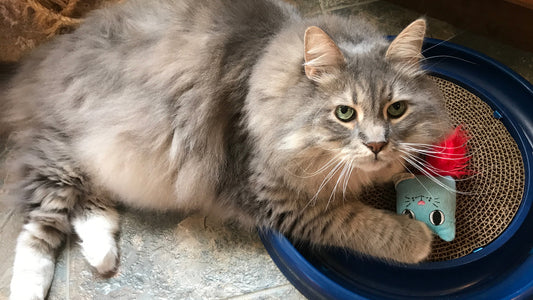
What Your Cat’s Body Language Is Trying to Tell You – Is Your Cat Angry or Uncomfortable?

Sometimes our cats seem to stare deep into our souls, and it feels like they know exactly what we’re thinking. But them? They can be hard to read (unless it’s dinner time), but actually, they’re constantly communicating with us. From the position of their tail to the way they sit, or react to touch, feline body language can reveal a surprising amount about how they’re feeling.
Understanding their signals isn’t always easy. Their behaviours may indicate not just that they’re “in a grump”, sometimes it can suggest that your cat is feeling stressed or uncomfortable. This “Hug Your Cat Day”, learn how to understand what your cat is trying to tell you with their body language, and recognise how you can help them with both their physical and emotional wellbeing…and if they’re really feeling up for a hug!
Why Cat Body Language Matters
Cats are naturally subtle communicators. Even in wild, big cats, they hide signs of feeling vulnerable as a way to protect themselves, so small changes in your cat’s behaviour can be easy to miss.
Instead of vocalising how they feel, cats tend to communicate through:
-
Tail movements
-
Ear positions
-
Facial expressions
-
Body posture
-
Grooming habits
-
Sleeping patterns
-
Changes in activity or interaction
Understanding feline body language can help you to recognise when your cat feels relaxed and content, and when something may not be quite right.
Signs Your Cat Is Happy, Relaxed and Content
Let’s start with a happy, relaxed cat. We all know the classic signs that your cat is happy and relaxed. They purr, they make “puddings” or knead their paws on you. But what other positive body language can you look out for? Once you recognise that your cat is feeling good, you can use that to help you keep their life and environment positive to help them live a comfortable, happy life.
Slow Blinking
Slow, deliberate blinking at you is one of the clearest signs your cat feels relaxed around you.
Cats are naturally cautious animals, so deliberately closing their eyes in your presence shows trust. A recent study has shown that this is a very deliberate behaviour that cats use around humans, and many cats will even slow blink back if you do the same to them.
A Soft, Upright Tail
A tail held upright with a relaxed curve at the tip usually signals confidence and friendliness. Cats often greet familiar people this way when they feel happy and secure.
Some cats may also gently wrap their tail around your legs or arm as a social gesture.
Relaxed Ears and Whiskers
A content cat typically has:
-
Forward-facing or neutral ears
-
Soft facial muscles
-
Relaxed whiskers.
In fact, facial expressions are increasingly important to vets as they try to understand their patients’ conditions. The Feline Grimace Scale is a validated method used by vets to assess pain levels. So, a relaxed face generally indicates a happy cat.
Showing Their Belly
A cat rolling onto their side or exposing their belly often indicates trust and relaxation. But beware the “bear trap of love”. This is not usually an indication that they want tummy rubs; it’s just a sign they feel safe enough to put themselves in a vulnerable position with you. Touch that tummy, and you might lose a finger!
Comfortable Sleeping Positions
Cats that sleep stretched out, or with very relaxed body positions, are usually feeling secure enough to sleep deeply…we’ll come back to sleeping positions later.
Body Language Signs That Your Cat Is Feeling Irritated or Overstimulated
Cats can become overstimulated surprisingly quickly, especially during play or petting. Recognising the early signs can help prevent scratching, biting or stress for both of you.
Tail Flicking or Thumping
One of the most recognisable signs of irritation is tail movement. A slowly swishing tail may indicate focus or uncertainty, but if that tail flicks fast, or they begin thumping it, it's a sign they're feeling frustrated or overstimulated. And if their tail begins to flick while you’re fussing them, it usually means they’ve had enough for now.
Flattened Ears
Ears that rotate backwards or flatten against the head often indicate discomfort, fear or irritation. This body language is commonly seen when a cat feels threatened or overwhelmed, and you’re more likely to see it in busy houses or unfamiliar environments.
Dilated Pupils
Large pupils can occur when a cat is frightened or stressed, but it can also be a sign that they’re feeling excited or ready to pounce. Pay attention to what else is going on with your cat’s behaviour if you notice this one.
Sudden Biting During Fuss
Some cats tolerate a fuss for a short time before they feel overstimulated and will often lash out. They might scratch or bite you, seemingly with little warning as a way of asking for some space. But hopefully, now you know some other signs, you’ll spot that they want space before it gets to this.
Fake Sleeping
People think that cats sleep a lot, and they absolutely do. But did you know that a stressed cat will “fake sleep”? It’s a classic “I can’t see you, so you can’t see me” scenario. They shut the world out and pretend to sleep to avoid interaction, but they’re actually still on high alert. You might notice a very stiff or tightly wound body position, their ears might still flick around at noises, or their face looks tense rather than relaxed. Leave them alone, and hopefully they’ll be able to relax.
Subtle Signs Your Cat May Be Feeling Uncomfortable
Not all cat body language signs are linked to mood. Sometimes, these subtle behavioural shifts can indicate that your cat isn’t feeling themselves, or is feeling uncomfortable. They can be easy to miss, or dismissed as your cat just “slowing down” with age, but often are worth discussing with your vet as they could be an indicator of discomfort.
Sitting or Lying Differently
Cats that usually stretch out comfortably may begin curling up tightly, tucking their limbs underneath themselves or shifting position frequently while resting.
Reluctance to Jump Onto Furniture
If your cat hesitates before jumping, stops snoozing in their favourite high-up spots, or avoids the stairs, they might be feeling less confident in their mobility. One of the first signs of this that many cat owners notice is that their cat doesn’t jump onto the worktop when you are preparing their dinner.
Sleeping More or Hiding Away
Cats naturally sleep for long periods, but increased hiding or withdrawing from normal family interaction can suggest stress or discomfort.
Becoming Less Social
A cat that suddenly avoids interaction, no longer greets you at the door, may be trying to communicate that something doesn’t feel quite right.
What Your Cat’s Tail Position Could Be Telling You
A cat’s tail is their most obvious and most useful indicator of how they’re feeling. They use it constantly. However, tail language is complex, so it’s important to take note of what else is going on when interpreting their tail behaviour, as that may help add context to their behaviour.

Body Posture Changes Owners Often Miss
One of the most overlooked aspects of feline body language is posture. Because cats are so good at hiding their vulnerabilities, these can sometimes be hard to spot, but they’re important—particularly if you are concerned about other aspects of your cat’s body language or behaviour.
Crouching More Frequently
A cat that spends more time crouched low to the ground may be feeling uncertain, stressed or physically uncomfortable.
Weight Shifting
Some cats begin shifting weight differently when sitting or standing, particularly in cats with joint stiffness. This can appear as:
-
Sitting unevenly, or off to one side
-
Leaning slightly
-
Hesitating during movement
-
Avoiding certain landing surfaces.
Difficulty Getting Comfortable
If your cat frequently changes sleeping position, circles repeatedly before lying down or seems restless while resting, it may suggest they are struggling to settle comfortably.
One Weird But Serious Behaviour Change You Should Never Ignore In Your Cat
Urinating in strange places. If your cat starts to pee in weird places, particularly the bath, shower tray or sink, never ignore this. It might seem funny, but it is a very common indicator of a urinary tract issue that can quickly escalate and become life-threatening, particularly in male cats. If your cat starts to urinate in unusual places, please get them checked by your vet.
How to Tell the Difference Between Stress, Fear and Discomfort Behaviour In Your Cat
Cat behaviour can overlap, which makes feline body language difficult to understand sometimes, so looking at patterns of behaviour is sometimes useful to help work out what your cat is trying to tell you.
|
Cat Behaviour |
More Common With Stress |
More Common With Discomfort |
|
Hiding away |
✓ |
✓ |
|
Flattened ears |
✓ |
Sometimes |
|
Reluctance to jump |
Rare |
✓ |
|
Tail flicking during touch |
Sometimes |
✓ |
|
Reduced grooming |
Sometimes |
✓ |
|
Increased clinginess |
✓ |
Sometimes |
|
Sleeping more |
Sometimes |
✓ |
When to Speak to Your Vet About Your Cat’s Behaviour
Just like us, cats' behaviour will change depending on their mood, so getting to know your cat’s normal behaviours and body language is key to noticing when things change. And because feline communication is so subtle, even little changes are worth paying attention to.
Consider speaking to your vet if you notice:
-
Persistent changes in behaviour
-
Reduced jumping or climbing
-
Changes in grooming habits
-
Changes in toileting habits
-
Increased hiding
-
Sensitivity to touch
-
Changes in movement or posture
-
Reduced activity levels.
If you pick up on changes early, you're more likely to catch potential problems early and be able to support your cat’s mental and physical well-being.
Understanding Your Cat’s Body Language Builds Your Bond
Learning how to communicate and read your cat’s body language is a skill you will build together, over time. The more you understand what your cat is trying to tell you, the better you can respond to their needs, and the deeper your connection will be. Here’s to a future of purring, playing and plenty of happy snuggles together.
Frequently Asked Questions About Cat Body Language
Why does my cat flick their tail while lying down?
Tail flicking can have several meanings depending on the situation. Some cats flick their tail while focused or playful, while faster or more forceful movements may suggest irritation or overstimulation.
Why has my cat stopped jumping onto furniture?
Cats may avoid jumping for many reasons, including changes in confidence, ageing, environmental stress or reduced comfort during movement.
Do cats hide discomfort?
Yes. Cats instinctively hide signs of vulnerability, which means changes in posture, grooming, movement and interaction are often subtle.
What does it mean when a cat’s ears go back?
Flattened or backward-facing ears commonly indicate fear, stress, irritation or uncertainty.
Why is my older cat behaving differently?
As cats age, it’s common for behaviour, sleeping habits and activity levels to change gradually. However, noticeable changes should always be monitored carefully.