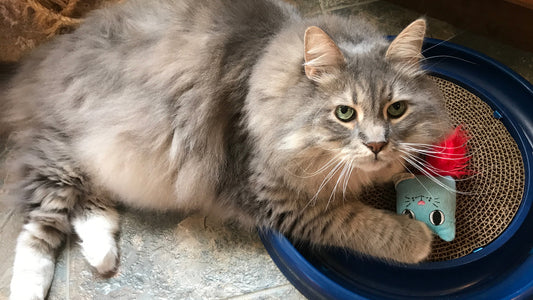
Why Successful Dog Joint Management Demands a Multimodal Plan

In short: multimodal management means combining several complementary therapies rather than relying on one. For dogs with joint disease, the five pillars are weight management, targeted nutrition and joint supplementation, veterinary-prescribed medication, a tailored low-impact exercise programme, and physiotherapy or rehabilitation. Each pillar addresses a different part of the cycle of pain, compensation and muscle loss, and the plan is built around the individual dog and reviewed as their needs change.
Ask any dog owner about their biggest fear as their pet ages, and mobility loss is often top of the list. Watching a once-energetic companion hesitate at the bottom of the stairs, struggle to get up from their bed, or lag behind on their favourite walks is truly heartbreaking for any pet owner.
Our understanding of joint health has evolved dramatically in recent years, and today, veterinary medicine recognises that managing long-term mobility isn't about finding a single solution - it's about bringing together the right combination of therapies for each individual patient.
This approach is known as Multimodal Management.
If you are looking to support your dog’s long-term comfort, mobility and quality of life, understanding how all the pieces of the multimodal puzzle fit together - and where targeted joint nutrition plays its role - is one of the most important steps you can take.
What is Canine Multimodal Management?
A multimodal plan simply means attacking a problem from multiple angles simultaneously rather than relying on a single magic solution.
To understand why this is necessary, we have to look at how a joint actually works, and why it might need additional support. A joint is made up of cartilage, synovial fluid, bone, ligaments, muscles, and nerves. When joint issues or wear-and-tear sets in, it triggers a domino effect:
-
Cartilage breaks down, creating friction.
-
Inflammation sets in, producing pain and swelling.
-
The dog shifts their weight to compensate, causing muscle loss (atrophy) in the affected leg and strain on other joints.
-
Decreased movement leads to weight gain, putting even more physical force on the painful joint.
-
The nervous system becomes sensitised to pain, making even mild movement feel uncomfortable.
Why is one therapy not enough?
Because joint discomfort affects the whole body, no single intervention can be expected to address every part of that cycle.
By combining therapies, each component works synergistically to achieve a positive outcome for the dog.
The 5 Pillars of a Canine Multimodal Mobility Plan
A comprehensive multimodal plan gives dogs the best opportunity to stay active, comfortable, and keep happiness in motion for longer.
Let's look at how the core pillars fit together to support your dog.
1. Weight Management
If joint management were a pyramid, weight management would be the foundation. It is arguably the single most impactful factor in controlling joint pain and slowing degeneration.
Weight management acts in a distinct way:
-
Mechanical relief: every extra kilogram a dog carries exerts additional force on their joints during movement. Reducing body weight directly reduces the physical load on compromised cartilage.
-
Metabolic effect: fat tissue is not inert. It is metabolically active and produces chemicals that contribute to a low-grade inflammatory state throughout the body, which is why body condition matters beyond the mechanical load alone.
By achieving and maintaining an ideal body condition score (BCS), we can reduce physical stress on the joints and reduce systemic inflammation.
2.Targeted nutrition: where do joint supplements fit?
Where do supplements fit into a multimodal plan? Right at the foundation, alongside diet and weight management.
Joint support supplements are not intended to replace pain relief medications, nor are they a "quick fix." Instead, they play a vital, long-term supportive role.
A dog joint supplement is best understood as daily nutritional maintenance rather than a response to a flare-up. Prescribed medication manages pain and acute inflammation in the short term. Nutritional support is a long-term element of the plan, given consistently and judged over months rather than days. The two are not alternatives to each other, and a supplement is not a substitute for veterinary medicines where treatment is needed
3. Prescription Medications
When a dog is in significant pain, they cannot move comfortably, engage in exercise, or participate in physical rehabilitation properly. Veterinary-prescribed medications are often essential for breaking the cycle of pain and acute inflammation.
Non-steroidal anti-inflammatory drugs (NSAIDs) are commonly used to target localised joint inflammation and provide fast pain relief. Medical interventions clear the path so that non-pharmaceutical components of the multi-modal plan, e.g. exercise, joint supplements and rehabilitation can have a greater impact.
4. Tailored Exercise Programmes
When a dog’s joints hurt, the natural instinct is to stop moving them. However, strict rest (outside of acute injury recovery) often makes joint conditions worse.
Gentle, controlled movement is essential to gradually increase range of motion, mobility and strength.
A tailored exercise programme focuses on:
-
Low-impact, consistent activity: Short, frequent walks on flat, soft surfaces rather than long, high-impact games of fetch.
-
Controlled movement: Avoiding sharp turns, jumping off furniture, or sprinting on slippery floors.
-
Building functional strength: Keeping core, hindlimb, and forelimb muscles strong so they can stabilise compromised joints.
5. Physiotherapy & Rehabilitation
Veterinary physiotherapy and rehabilitation take exercise a step further by supporting the body in more detail.
Working with a qualified veterinary physiotherapist can introduce targeted therapies such as:
-
Hydrotherapy (Underwater Treadmill / Swimming): Allows the dog to exercise in a warm, low-impact environment. This helps to build muscle strength and expand range of motion with minimal weight bearing on the joints.
-
Targeted Therapeutic Exercises: Specific, tailored exercises designed around what your dog can and can’t do, with the aim of rebuilding weakened muscles, improving range of motion and helping with pain relief.
-
Manual Therapies: Massage, joint mobilisations, and passive range-of-motion stretches are among some of the therapies that can help to relieve muscle tension and improve range of motion.
-
Modalities: Photobiomodulation (laser therapy), pulsed electromagnetic field (PEMF) therapy, or acupuncture to promote tissue healing and soothe sore areas.
How do you build the plan around the individual dog?
No two dogs are the same - and no two joint conditions present in exactly the same way.
A 2-year-old Labrador recovering from elbow dysplasia surgery requires a completely different multimodal plan than a 12-year-old Border Collie dealing with generalised arthritis. Factors that shape an individual plan include:
-
Age, breed, and baseline fitness
-
The specific joints involved
-
Other relevant health issues (e.g., kidney disease, heart conditions, or sensitive stomachs)
-
The dog’s temperament and home environment
-
The owner’s daily routine and budget
This is why personalised care is essential. A multimodal plan isn't a rigid checklist where every dog gets every treatment at maximum intensity. It is a fluid, adaptable strategy tailored precisely to what that specific dog needs at that specific stage of their life.
How long does a multimodal plan take to make a difference?
This is the question owners ask most often, and the honest answer is that the pillars work on different timescales.
Prescribed medication is the fastest acting element, and is often what makes the rest of the plan possible in the first place.
Changes to the home environment such as rugs, ramps and an orthopaedic bed make a difference from the first day.
A tailored exercise programme and rehabilitation build strength gradually, usually over several months of consistent work.
Weight management is measured in months, and is the pillar with the largest long-term effect.
Daily joint supplements are a long-term, maintenance-focused element rather than a quick fix, and are best judged over months.
Expecting every pillar to move at the same speed is the most common reason a plan is abandoned too early. Setting the timescales out at the start, and agreeing what will be reviewed and when, keeps the whole team working towards the same picture.
How should the plan be monitored and reviewed?
A multimodal plan is only as good as the information that goes into reviewing it, and most of that information comes from the home rather than from the consulting room.
A simple owner diary. How long the dog takes to settle, whether they used the stairs today, how far they walked and how they were afterwards.
Short video clips. Film the dog rising from their bed and walking away from the camera, on the same floor surface each time. Gait changes are far easier to see side by side than to describe from memory.
Validated owner questionnaires. Tools such as the Liverpool Osteoarthritis in Dogs (LOAD) questionnaire are designed to be completed by owners and give a repeatable score rather than a subjective impression. There is also the DogMA app, created by the same people who developed the LOAD scoring system. It is a free, easy-to-use app that helps owners assess their dog’s mobility and monitor it over time.
Body condition score and weight, recorded at the same practice on the same scales.
Agree a review point at the outset, typically four to six weeks after the plan starts, and then at regular intervals. What matters at each review is not whether every pillar has been followed perfectly, but whether the dog is doing more of the things they want to do.
The Power of Teamwork
Creating and executing an effective multimodal plan requires a team. When veterinary professionals, physiotherapists, and owners work together, we can support mobility from multiple angles rather than relying on a single intervention.
-
The Veterinary Team provides accurate diagnosis, imaging, bloodwork, and medical prescriptions. They establish the clinical baseline and monitor internal health.
-
The Physiotherapist/Rehab Specialist assesses biomechanics, designs targeted movement plans, provides physical therapy, and tracks subtle changes in gait and muscle mass.
-
The Dog Owner is the most vital team member of all. You are the daily observer. You administer the supplements and medications, manage the diet, lead the controlled walks, adapt the home environment (adding ramps, rugs, and orthopeadic bedding), and notice the early signs of comfort or stiffness.
Regular communication between these three parties ensures that as the dog’s needs evolve, the multimodal plan evolves with them.
Keeping Happiness in Motion for longer
Long-term mobility management is a journey, and will take commitment from professionals and pet owners. By shifting away from single-solution thinking and embracing a multimodal framework, we give our dogs the absolute best chance at a long, active, and happy life by our side.
Whether your dog is a young athlete recovering from an injury or a beloved senior slowing down on morning strolls, remember: it’s never about finding one magic trick. It’s about building a supportive, multi-layered plan tailored just for them - combining veterinary care, smart movement, weight control, expert rehabilitation, and targeted daily joint nutrition.
Talk to your vet or rehab specialist about how you can assemble the right multimodal team for your dog.
Frequently asked questions
-
What does multimodal management mean for dogs?
It means addressing joint discomfort from several directions at once rather than relying on a single intervention. A typical plan combines weight management, targeted nutrition, veterinary-prescribed medication, controlled exercise and rehabilitation, with each element chosen for that individual dog and adjusted over time.
-
Do joint supplements replace anti-inflammatory medication?
No. They do different jobs. Medication prescribed by your vet manages pain and acute inflammation. A joint supplement is a long-term nutritional element of the plan, intended to help maintain healthy joints. Never stop or change prescribed medication without speaking to your vet.
-
When is the best time to introduce a joint supplement?
Nutritional support is generally used as a long-term maintenance element rather than as a response to a flare-up, so it tends to be started early and given consistently. Your vet can advise on what suits your dog's age, breed and current medication.
-
How much exercise should a dog with stiff joints get?
Strict rest usually makes stiffness worse, outside of recovery from an acute injury. Most dogs do better with short, frequent, controlled walks on flat, soft ground than with occasional long or high-impact activity. The specific amount should come from your vet or veterinary physiotherapist.
-
Is hydrotherapy suitable for every dog?
Not automatically. Hydrotherapy is valuable because it builds strength with minimal weight bearing, but dogs with certain cardiac, respiratory, skin or infectious conditions may not be suitable candidates. Referral normally goes through your vet.
-
Who should be involved in a multimodal plan?
At a minimum, the veterinary team and the owner. Many plans also involve a veterinary physiotherapist or rehabilitation specialist. The owner is the most important member of the team: they see the dog every day and are the first to notice change.